Employment law essentials for line managers
Learn how to handle everyday people issues fairly, consistently and with confidence - from disciplinary issues and sickness absence to flexible working, performance concerns and ending employment.
Course overview
The Employment Rights Act has brought major updates that affect how businesses manage people, with changes already arriving in 2026 and more still to come. April 2026 alone brought important updates around areas like Statutory Sick Pay, leave entitlements, and holiday record-keeping.
For many managers, that means the everyday basics matter even more than before. Things like how absence is recorded, how flexible working requests are handled, how performance concerns are documented, and how sensitive conversations are followed up in writing all have a clearer compliance focus.
The new Fair Work Agency adds to that shift. It signals more scrutiny on whether employers are getting the fundamentals right - not just in policy, but in practice.
Employment law courses are essential for HR professionals, business leaders and aspiring legal practitioners. And yet most line managers have no formal training - even though you're often the ones actually signing off holiday, managing sickness, documenting concerns and responding first when issues arise. You play a vital role in helping your organisation stay fair, consistent and well-evidenced.
This employment law essentials course for line managers is here to help you do exactly that. The training course focuses on practical, everyday situations rather than legal theory alone. We know most line managers are not employment law specialists, and you shouldn't have to be. But you do need enough confidence and understanding to handle people issues well, follow the right process and know when to bring in HR or legal support.
What’s inside this line management course?
Led by Thomas Fuller from Omny Law, this employment law course includes six short, practical modules designed for line managers:
-
Handling disciplinary issues fairly
-
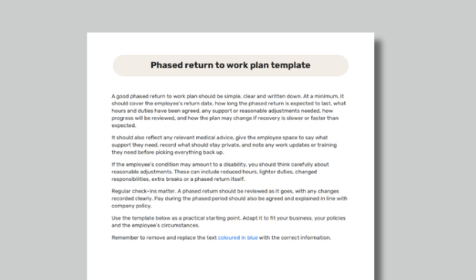
Managing sickness absence and reasonable adjustments
-
Performance management and capability
-
Understanding flexible working
-
Ending employment the right way
-
Health and safety duties
Each module focuses on a key part of managing people where employment law, process and communication all matter. Key topics include contracts, statutory rights, discrimination and dismissals. You'll get a clear overview of what line managers need to know, what steps to take, what records to keep and how to approach each situation calmly and consistently.
This course content is built to be useful, not overwhelming. You don't need to complete all six modules at once, and you can take them in any order and at your own pace. If a challenge comes up in your team, you can dip back into the relevant module and use the online resources straight away.
Alongside the videos, you'll also get access to practical materials including templates, checklists, guides and tools to help you apply what you've learned in your workplace.
What you’ll walk away with:
By the end of this employment law course, you’ll have a stronger understanding of how employment law applies to common workplace situations and what that means for you as a line manager.
You’ll come away with:
-
more confidence handling people issues fairly and consistently
-
a clearer understanding of your role in key employment processes
-
practical tools to support conversations, documentation and follow-up
-
better awareness of when to involve HR or legal support
Most importantly, you’ll feel better equipped to lead with empathy while still following the right process.
Who is this employment law course for?
This course is for:
-
line managers in SMEs
-
people managers who want more confidence in employment law basics
-
team leaders with day-to-day responsibility for managing employees
-
new managers who want practical line management training
-
experienced managers who want a refresher on good process and fair practice
If you manage people but don’t always have immediate access to HR support, this employment law course is especially useful. It gives you practical, accessible training you can return to whenever new situations arise.
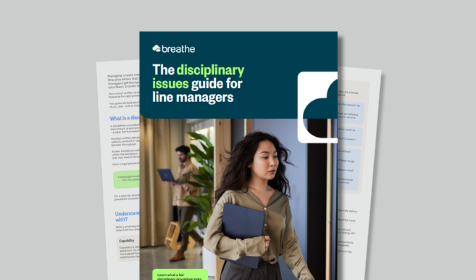
Handling disciplinary issues fairly
Disciplinary issues are one of the most common - and highest-risk - areas line managers deal with. In this module, you’ll learn how to handle disciplinary issues fairly by pausing first, gathering the facts and following the right steps rather than reacting in the moment.
Thomas explains the three key stages of a fair disciplinary process: investigation, giving the employee a chance to respond, and offering a right of appeal. He also covers what a reasonable investigation looks like, when to invite someone to a disciplinary hearing, and why evidence, consistency and written records matter throughout.
You’ll also learn the common mistakes that can create risk, from skipping the investigation stage to relying on instinct, hearsay or frustration. If you want to feel more confident handling conduct issues, disciplinary meetings and disciplinary process decisions, this module gives you a clear, practical foundation.
Managing sickness absence and reasonable adjustments
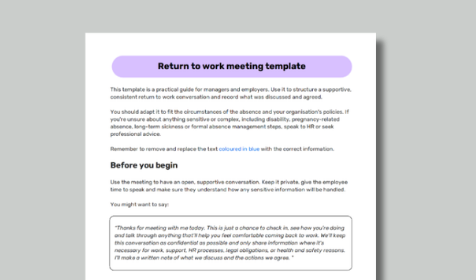
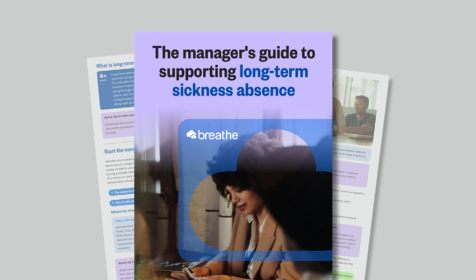
Managing sickness absence is rarely just about attendance. In this module, you’ll learn how to approach sickness absence in a way that supports the employee while also meeting your responsibilities as a line manager.
Thomas talks through how to spot patterns in short-term or long-term absence, how to use return-to-work and welfare conversations well, and what line managers need to understand about disability under the Equality Act 2010. He explains what reasonable adjustments are, why there’s no one-size-fits-all approach, and how changes to hours, duties, workload or a phased return to work may help support someone fairly.
The module also covers when to seek medical input, why sickness absence should usually be treated as a capability matter rather than misconduct, and how important it is to keep decisions and conversations recorded in writing. You'll come away knowing how to manage sickness absence and reasonable adjustments with more confidence, care and consistency.


Performance management and capability
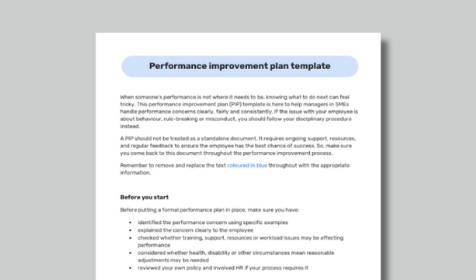
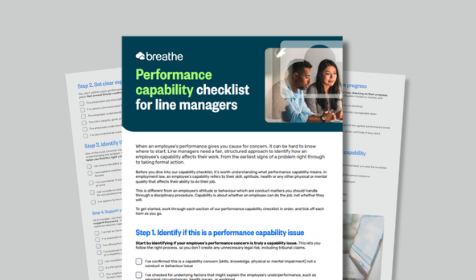
Performance problems can be frustrating, but not every underperformance issue should be handled in the same way. In this module, you’ll learn the difference between performance management, capability and conduct - and why getting that distinction right matters.
Thomas explains that capability is about an employee’s skill, aptitude, health or ability to do the role, not simply attitude or carelessness. He then walks through the practical steps line managers should take: setting clear standards, intervening early, understanding the cause of the problem, offering support, setting realistic objectives and reviewing progress over time.
You’ll also learn why it’s risky to jump straight to warnings, let issues drift or ignore health factors that may be affecting performance. For line managers dealing with underperformance, capability concerns or performance review conversations, this module gives you a fairer and more structured way to respond.
Useful resources:
/HubDB_Managers%20feedback%20guide.webp)
/HubDB_Mini%20guide_smarter%20performance%20management.webp)
/HubDB_Performance%20progress%20checklist.webp)
/HubDB_1-2-1%20document%20template.webp)
/HubDB_Goal%20and%20objectvies%20template.webp)


Understanding flexible working
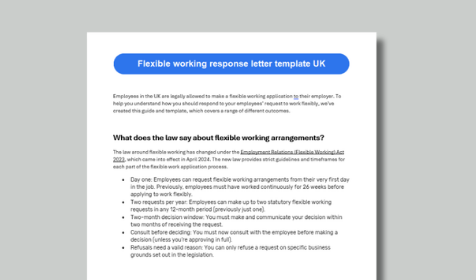
Flexible working requests are now a normal part of people management - especially since the law changed in April 2024, making flexible working a day-one right for employees. In this module, Thomas gives line managers a clear, practical overview of what those changes mean in real life.
Rather than treating flexible working as a box-ticking exercise, he looks at how to approach requests fairly, consistently and with good communication. You’ll build a better understanding of what you need to consider when a request comes in, what a fair process looks like, and why consultation, consistency and clear written records matter.
Thomas also highlights where flexible working requests can become more sensitive - including where disability or childcare responsibilities may raise wider legal risks. This module helps make flexible working requests feel more straightforward, giving you a better understanding of how to support both employee needs and business considerations.


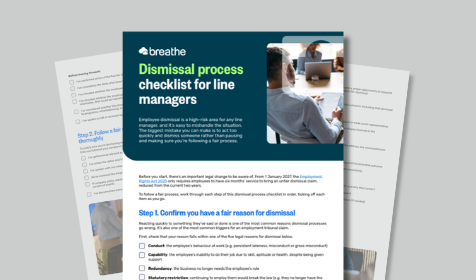
Ending employment the right way
Ending employment is one of the highest-risk areas for any manager, and this module explains why getting both the reason and the process right matters so much (especially with the January 2027 changes to unfair dismissal rights).
Thomas talks through the most common routes to ending employment, including resignation, dismissal and redundancy, and explains the five potentially fair reasons for dismissal.
You'll learn the key steps you should follow before employment ends: identifying the correct reason, explaining it clearly, following a fair process, giving the employee the chance to respond, keeping communication calm and respectful, and confirming decisions in writing.
The module also explores common mistakes that put you at risk of wrongful dismissal, like rushing decisions, communicating poorly and keeping weak records. If you want to handle dismissal, redundancy or other sensitive employment decisions more carefully and confidently, this module gives you a practical guide to doing that fairly.




Health and safety duties for line managers
Health and safety can sound like something that sits with a specialist team, but in practice line managers play a big part in keeping people safe at work. In this module, Thomas gives a clear overview of health and safety responsibilities for line managers and what that looks like day to day.
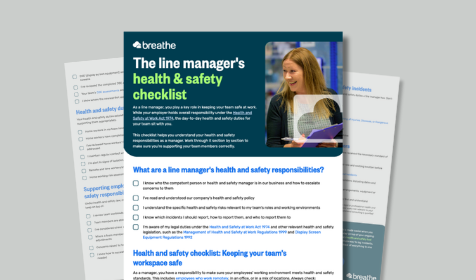
He explains that good health and safety management is often about noticing and acting on smaller issues early - before they become bigger problems. You’ll build a better understanding of the practical steps line managers should take: knowing the key health and safety policies that apply to their team, checking how work is really being carried out, acting when concerns are raised, and recording incidents, near-misses and agreed actions properly.
The module also reinforces that health and safety is about more than physical hazards alone. It includes workload, stress, wellbeing and how concerns are escalated when something does not feel safe. You'll walk away with a practical view of your health and safety duties and responsibilities at work.
Congratulations - you’ve completed Breathe’s Employment law essentials for line managers course.
You’ve built a stronger understanding of how employment law applies to everyday people issues, from disciplinary issues and sickness absence to flexible working, performance concerns and ending employment.
You’re now better equipped to handle situations fairly and confidently, follow the right process, keep clear records, and know when to bring in HR or legal support.
Ready to put your learning to the test?
Take the end-of-course quiz and earn your downloadable certificate with a score of 80% or above. Once you’re done, keep building your confidence with more expert-led line management courses in the Breathe Growth Academy.
If you’re a Breathe customer, you can track your learning under ‘My training’ in your Breathe account.

Navigating a complex employee issue? Whether it's a dismissal, a disciplinary, a long-term absence or capability problem, speak to Thomas and the team at Omny Law for expert HR and legal advice.
