Welcome to Breathe's employment law hub

With the UK Employment Rights Bill bringing some big changes, we're here to help organisations, SMEs and HR stay ahead of UK employment law - now and in the future. This hub is built to guide you through the latest best practices for protecting your business and supporting your people. 

Whether it's understanding new employment rights or updating workplace policies, we've got the resources you need to help create a compliant and positive work environment. 

Hero image - women looking at laptop in warehouse

✅ Key changes now live in 2025 


Change Update
Employment National Insurance rate Increased from 13.8% to 15%
Class 1 NI threshold Reduced from £9,100 to £5,000 per year
National Living Wage Increased from £11.44/hour to £12.21/hour
National Minimum Wage Increased from £8.60/hour to £10/hour
Income tax thresholds Frozen until 2028
Employment Allowance Increased from £5,000 to £10,500
Employment Allowance cap £100,000 cap to be removed


Expanded leave entitlements from day one 

Expected from: April 2026 (subject to final legislation) 

Under the Employment Rights Bill, employees are expected to gain day-one access to key types of family leave, including paternity leave, unpaid parental leave and a new right to bereavement leave. The aim is to make it easier for people to balance work and family life from their very first day in the role.

Right now, statutory parental bereavement leave gives eligible parents up to two weeks’ leave, paid at £187.18 per week (from April 2025) or 90% of average weekly earnings, whichever is lower. The new Bill would keep this existing protection and add an extra, separate day-one right to unpaid bereavement leave for a wider range of losses – including some relationships and pregnancy losses that aren’t currently covered. The exact scope and rules will be set out in secondary legislation following consultation.


Six-month qualifying period for unfair dismissal

Expected from: 2027 (exact date to be confirmed, subject to final legislation) 

The government has stepped back from its earlier plan to make unfair dismissal protection a day-one right. Instead, the current two-year qualifying period is expected to reduce to six months

This would mean more employees gain unfair dismissal protection earlier in their employment, so it’s a good idea for employers to keep an eye on how they manage probation, feedback and documentation during those first six months.


Bereavement leave reform timeline 

Consultation ongoing | Changes likely from: 2027 (subject to final legislation) 

The Employment Rights Bill introduces a new day-one right to at least one week of unpaid bereavement leave for employees who experience the loss of a loved one, including pregnancy loss before 24 weeks. The government is currently consulting on how this will work in practice, with the consultation open until early 2026.

The official roadmap indicates that the new entitlement is expected to take effect in 2027, using the usual common commencement dates of 6 April or 1 October. Until then, employers should keep an eye on government and Acas updates and start reviewing internal policies, procedures and manager guidance so they can update them quickly once the final rules and start date are confirmed.


Clampdown on fire and rehire practices  

Expected from: October 2026 

From October 2026, the Employment Rights Bill is expected to introduce a new category of automatic unfair dismissal covering most 'fire and rehire' situations. In practice, it will usually be automatically unfair to dismiss an employee for refusing changes to core terms – such as pay, pensions, working hours, shift patterns or time off – unless the change is genuinely unavoidable due to serious financial difficulties.

Employers will still be able to make legitimate changes, but the bar will be higher. SMEs will need clear business reasons and a well-documented process, including consultation with staff, exploring alternatives and communicating openly about any proposed contract changes.


Automatic right to request flexible working from day one  

Effective from: 6 April 2024 

As of April 2024, all employees have a statutory right to request flexible working from day one in the role, instead of waiting six months (26 weeks). Employers must handle requests reasonably, consult with the employee, and respond within two months. They can still refuse, but only for one of the recognised business reasons – and they should be ready to explain their decision clearly.

The change is designed to make flexible working feel more like the norm than a perk, and it sits alongside a wider programme of reforms that are expected to keep pushing work–life balance up the agenda over the next few years.


Enhanced redundancy protections for pregnant employees and new parents 

Effective from: 6 April 2024 

Pregnant employees and certain new parents have an extended period of protection in a redundancy situation. This runs from when an employee tells their employer they’re pregnant or starts maternity, adoption or shared parental leave, through that leave and for up to around 18 months from the child’s birth or placement.

During this protected period, if there is a suitable alternative vacancy, it must be offered to them as a priority before other employees at risk of redundancy.

Looking ahead, from 2027 the Employment Rights Bill is expected to introduce stronger dismissal protections for pregnant women and new mothers on top of these redundancy rules, although the detail and exact start date are still subject to consultation and final legislation.


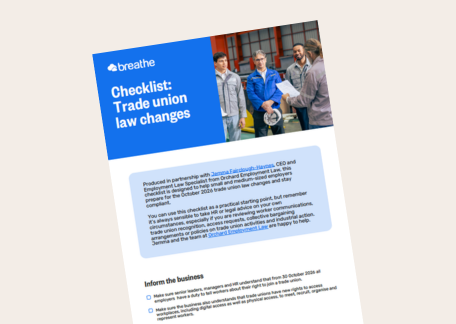
Right to join a Trade Union in contracts 

Expected from: October 2026 

New rules are expected to require employers to make it clear in employment contracts that employees have the right to join a trade union.

This is designed to improve transparency around union membership and give workers more confidence to join and take part in union activity if they choose to.


Statutory sick pay (SSP) reforms 

Expected: April 2026 (subject to final legislation)

Planned reforms to Statutory Sick Pay will: 

  • Remove the current three-day waiting period, so SSP is payable from the first full day of sickness absence 
  • Abolish the lower earnings limit as a condition for SSP
  • Make SSP accessible from day one of illness for all eligible employees 

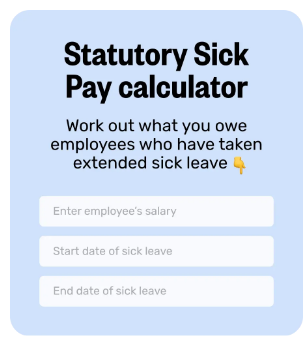
These changes are designed to extend sick pay protection to around 1.3 million lower-paid workers, but employers should also prepare for higher sickness absence costs and update their policies and payroll processes ahead of April 2026.


Gender pay gap reporting and menopause action plans 

Expected from: 2027 for businesses with 250+ employees 

Large employers will face tougher reporting requirements including: 

  • Enhanced gender pay data disclosures 
  • Mandatory menopause action plans to support women’s health and career longevity 

These steps are part of a wider movement toward workplace equality and inclusivity, with gender pay gap reporting and menopause action plans fast becoming everyday expectations. 

It's also best practice for all organisations to review and prepare for these measures, especially those in a growth phase, as early adoption can support long-term equity and sustainability.


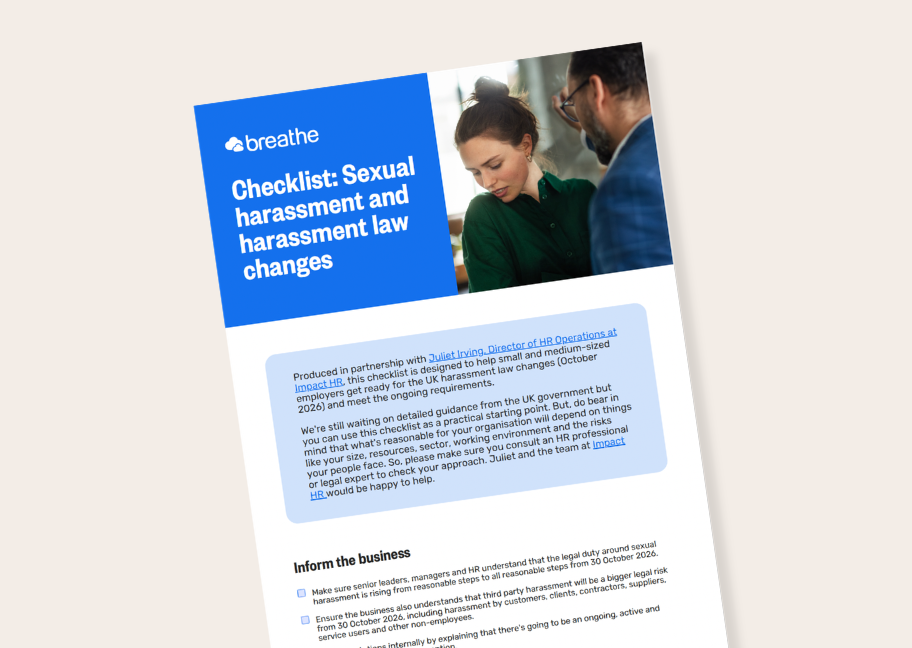
New sexual harassment duty for employers  

Effective from: 26 October 2024 

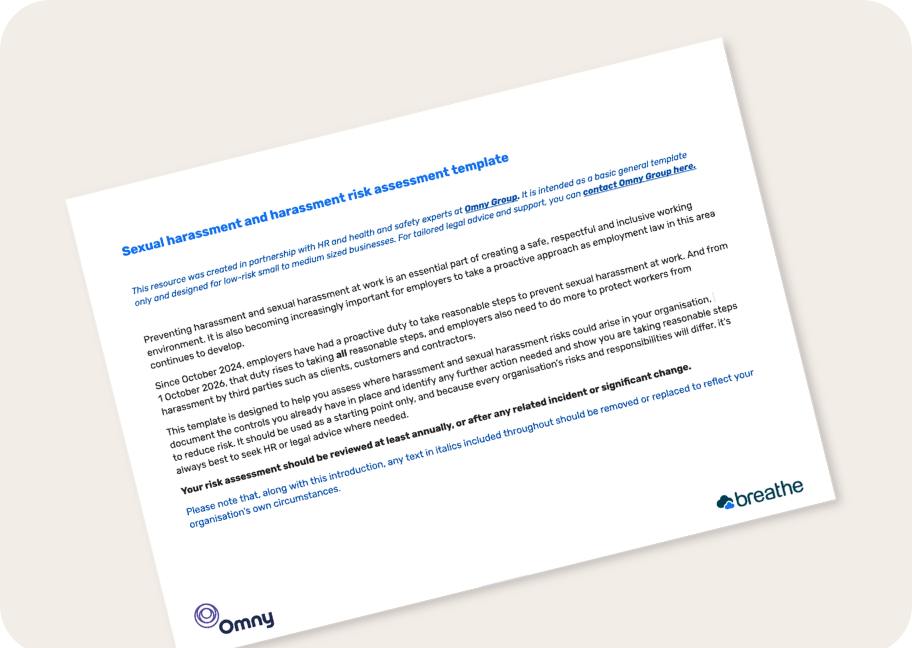
From this date, all employers must take reasonable steps to prevent sexual harassment in the workplace. Key obligations include: 

  • Keeping policy and risk assessments up to date
  • Provide regular training for staff and leadership 
  • Clear communication and documentation strategies 

Whistleblowing protections are also a crucial part of the legal framework, safeguarding employees who report misconduct or harassment. 

Although the new duty applies to employers of all sizes, growing SMEs in particular should see these steps as best practice for building a respectful, inclusive and legally compliant workplace


What these changes mean for employers 

To stay compliant, employers will need to review and update: 

  • HR policies and employee handbooks 
  • Employment contracts and onboarding documentation, including pay, responsibilities, and employee benefits 
  • Internal training and communication plans 

Start preparing: by end of 2025 

With phased changes anticipated from April 2026, now is the time to audit and futureproof your policies. 

These changes place a greater emphasis on proactive compliance, making regular audits and policy updates essential. 

Make HR simple, make compliance easier

HR can feel overwhelming when you’re juggling people, policies and processes. Our free guide shows how HR software helps small businesses stay organised, cut down on admin, and stay compliant without the stress.

In this guide, you’ll learn:

  • How HR software helps with employment law compliance

  • Why moving beyond spreadsheets saves time and reduces errors

  • Ways automation can ease everyday HR admin

  • What to look for in HR software as your business grows


Mockup - laptop

Introduction to employment law 

This section provides an overview of employment law for employers. Employment law governs the rights and responsibilities of employers and employees. From contracts and discrimination to redundancy, grievance procedures, and flexible working, keeping up-to-date is essential to avoid risks and support workplace wellbeing. 

UK employment law is detailed, but accessible with the right support - especially when changes occur twice yearly in April and October. 

That’s why getting some good employment law advice is super important for everyone involved. It helps both employers and employees get a clear picture of what they can and cannot do in the workplace. 

The UK has a pretty solid set of rules when it comes to employment law, covering all the big topics like unfair dismissal, working hours, and holiday entitlement. 

Plus, there are employment law services out there (just like the Breathe Partner network) ready to give expert advice and support on all sorts of issues, so both employers and employees can feel confident about their rights and obligations. 

We’ve also got lots of guides and templates, to help make it easier to get to grips with what employment law updates are out there. 


Employment contracts 

Employment contracts are a big deal when it comes to employment law. They spell out the essential details of what both employers and employees are signing up for. 

Every employee must receive a written statement of employment outlining: 

  • Job title 
  • Working hours 
  • Salary 
  • Leave entitlements (including holidays, maternity leave, paternity leave, and sick pay) 
  • Benefits 
  • Trade union rights (forthcoming) 


Changes to employment terms must follow consultation and notice protocols under the Employment Rights Act 1996. 

These contracts should cover the basics like job title, what the job involves, and how many hours you’ll be working, so everyone knows what’s expected. 

Employers have to hand over a written statement that lays out the important stuff like pay, holiday entitlement, benefits, and how much notice you need to give if you’re leaving. 

If there are any changes to the contract, employers need to play fair, give you a heads-up, and explain what’s happening to keep things clear and honest. 

If you want to switch up your working hours or maybe work from home, you can ask for flexible working arrangements. Employers have to take these requests seriously and let you know why if they can’t make it work. 

Some contracts might also have clauses to keep things confidential and protect company secrets. 

Sticking to UK employment law is crucial, and employers need to make sure their contracts follow rules on discrimination and equality. 

If you’re looking for advice on employment contracts, employment law experts from the Breathe Partner network, are there to help you understand your rights and what you’re signing up for, so you’re in the know and covered. 


Discrimination and equality 

Discrimination and equality are important parts of employment law, and it’s up to employers to make sure there’s no unfair treatment at work. 

Everyone should be treated fairly, no matter their age, gender, race, or if they have a disability. 

The Equality Act 2010
is like a rulebook for employers, showing them how to handle discrimination and equality.
 

This protects against workplace discrimination based on: 

  • Age 
  • Gender 
  • Race 
  • Disability 
  • Pregnancy and maternity 

Employers must provide equal opportunities, pay, and fair treatment, backed by appropriate training and procedures. 

Employers need to make sure everyone gets equal pay and chances, and they can’t treat anyone differently because of pregnancy or maternity. 

If employees see or experience any discrimination or harassment, they can speak up, and employers have to act fast to sort it out. 

To keep the workplace fair and welcoming, employers can offer training and resources on these topics. 

Employment law experts are there to give advice and tips on sticking to UK employment law, helping employers build a respectful and fair work environment. 

Employees can also find lots of resources and support, like online guides and helplines, to get a better grip on their rights and what to do about discrimination and equality. 


Keep growing and stay compliant with employment law advice  

Our hub is regularly updated with the latest legal insights, legislative developments, employment law and practical advice aligned with the latest changes. 

With our expert guidance and actionable tips, you can confidently embrace these different types of updates, ensuring your business stays compliant and your people valued. 

For tailored advice and support, contact employment law or HR professionals - you can reach out to the Breathe Partner network.


Explore our employment resources  

Discover up-to-date news, expert blogs, comprehensive guides, informative webinars and practical tools that make handling legislative changes and UK employment law easier. 

With us, you can focus on growing your business while staying compliant with the latest rules – whether you're preparing for upcoming changes or planning for the future.   


Employment law advice 

Navigating the complexities of employment law can be challenging for both employers and employees. 

Seeking employment law advice from a qualified specialist is important to ensure compliance with relevant laws and regulations. Employers and employees can conveniently receive expert employment law advice via phone, making support accessible and immediate.  

Ask to talk to one of Breathe Partners for employment law advice. 

For employers, this advice can help avoid costly legal disputes and protect the business’s reputation. For employees, it ensures their rights are safeguarded and they receive fair treatment in the workplace. 

Employment law advice covers a broad spectrum of topics, including employment contracts, redundancy, discrimination, and non-disclosure agreements (NDAs). 

Specialists in employment law provide guidance on various employment-related matters, such as drafting and reviewing employment contracts, developing workplace policies, and handling procedures. 

They also represent both employers and employees in disputes, including employment tribunal claims, offering a comprehensive resource for navigating employment law complexities. 


Contracts and agreements 

Contracts and agreements form the basis of employment relationships, outlining the terms and conditions of employment, such as working hours, holiday entitlement, and pay. 

Employers must ensure that these contracts comply with relevant laws and regulations, including the Employment Rights Act 1996 and the Equality Act 2010. TUPE regulations should also be considered, as they protect employee rights during business transfers and ensure employees retain their terms and conditions when a company or service is transferred to a new employer. 

Employment contracts often include various clauses, such as confidentiality clauses and non-disclosure agreements (NDAs). 

These clauses are designed to protect sensitive information, including trade secrets and business strategies. But it is worth noting, that the use of NDAs and confidentiality clauses has sparked controversy, particularly when used to silence victims of harassment or abuse. 

Employers need to balance the protection of business interests with the rights and wellbeing of their employees. 


Employee rights and protections 

Employee rights and protections are fundamental to creating a fair and safe working environment. 

Employees are entitled to various rights, including the right to a safe workplace, equal pay, and protection from discrimination. 

Employers must comply with laws such as the Health and Safety at Work etc. Act 1974 and the Equality Act 2010 to ensure these rights are upheld. 

Employment law protections apply to employees in England, Wales, and Scotland, ensuring that members of the workforce across these regions are covered. 

Additionally, employees are protected from unfair dismissal and redundancy. 

Employers have to follow a fair process when dismissing an employee or making them redundant, providing a clear rationale and allowing for an appeal process. 

These protections are designed to ensure that employees are treated fairly and that their rights are respected throughout their employment. 

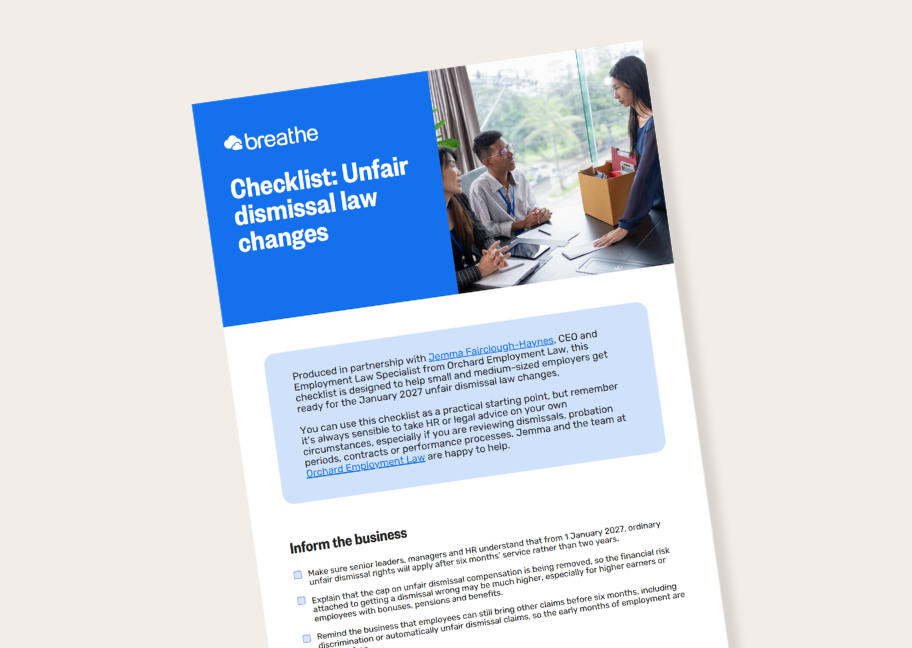
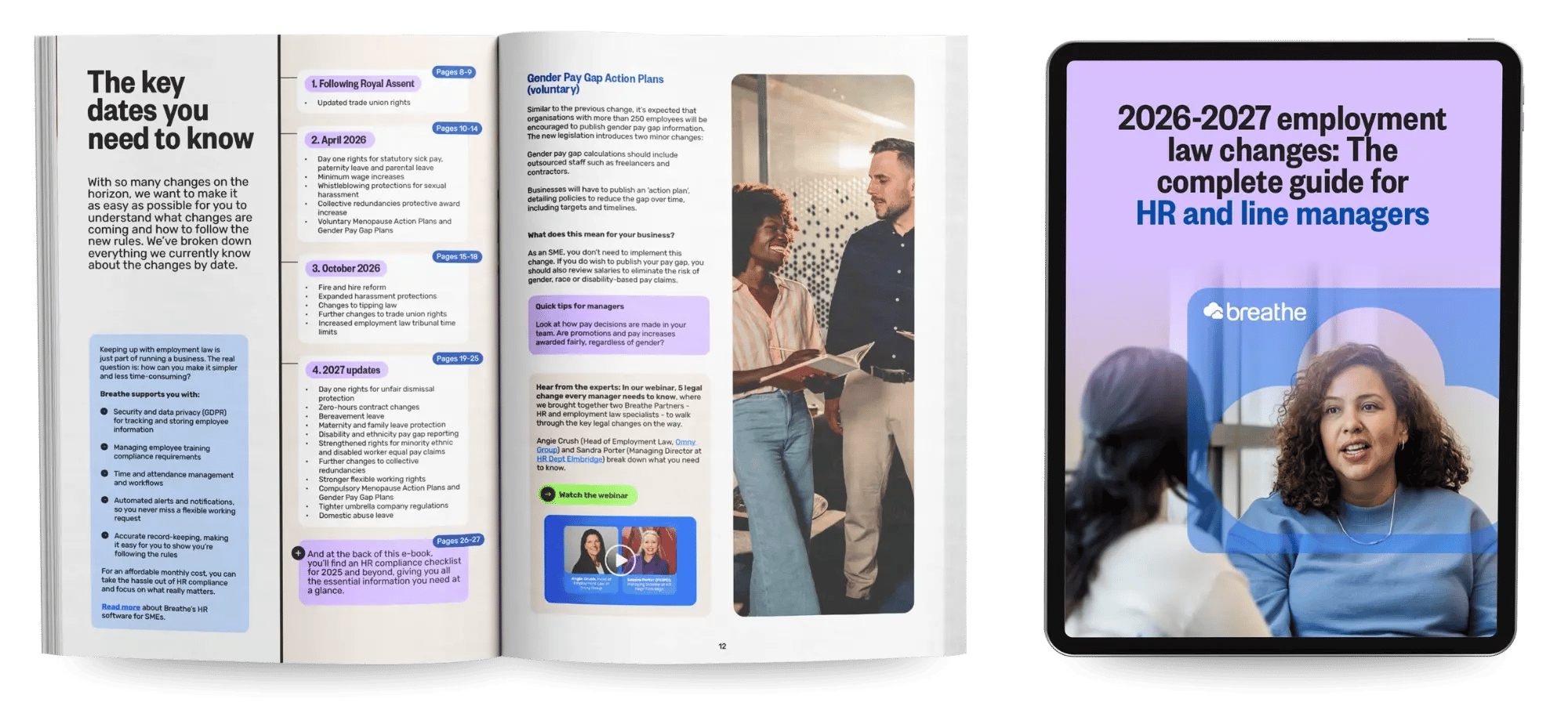
🏛️ 2026-2027 employment law changes: The complete guide for HR and line managers

Stay ahead of the curve with our free 2026-2027 employment law changes e‑book.

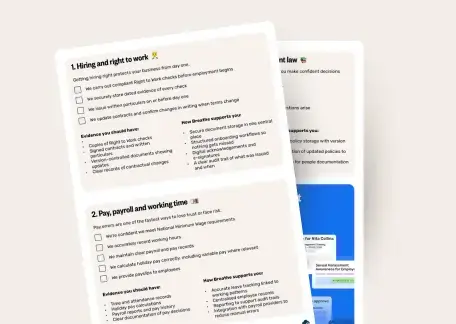
From sick pay and parental leave to flexible working and zero-hours contracts, we break down what’s coming and when - with clear timelines, practical tips and a checklist to help you stay compliant and confident.

EL e-book and ipad mockup

📘 Free employment law resources

Employment rights bill mini pack employment law hub card

Employment Rights Bill: mini resource pack

The Employment Rights Bill will bring major changes from now, April 2026 and onwards. Here's 5 key highlights you need to know.

redundancy toolkit employment law hub

The SME redundancy toolkit

Checklists, guides and letter templates, designed to make even the most challenging aspects of redundancy more manageable.

zero-hours contracts guide employment law hub

Zero-hours contracts guide

The ultimate guide to zero-hours contracts. From holiday pay entitlement to sick pay, notice periods and more,

Employment law hub - Change management template@2x

Change management policy template

Simplify organisational changes, reduce disruptions, and support your team through transitions with our change management policy template.

Employment law hub - Right to disconnect@2x

Right to disconnect policy template

Foster a supportive workplace and ensure your people feel encouraged to switch off during their well-deserved breaks with our free right to disconnect policy template.

Employment law hub - Team prioritisation@2x

Team prioritisation 'how to' template

Our template offers a structured and practical approach to help SMEs streamline task management, improve team focus, and align efforts with business goals.

🎥 On-demand webinars

WEBINAR  March 2025  LP Header

Is your SME at risk? The hidden cost of spreadsheet-based HR

We discuss the worries and business risks of using spreadsheets and paperwork (we've got some real horror stories).

Employment Tribunals webinar hub

How to avoid an Employment Tribunal

We share practical ways to keep your business safe and manage your people with confidence.

Navigating change - employment law hub

Navigating change: The biggest SME & HR disrupter

We dive into the biggest challenges disrupting the SME landscape and give you actionable tips to support your team.

Want the latest employment law & HR updates sent straight to your inbox?

Subscribe to the Breathe blog now.

Employees who meet eligibility criteria are entitled to statutory maternity leave of up to 52 weeks. Statutory maternity pay (SMP) can be paid for up to 39 weeks. Paternity leave is available for eligible employees for up to 2 weeks, with statutory paternity pay (SPP) provided. Businesses may choose their own maternity and paternity policies, which could include an enhancement of the statutory. 

From 6 April 2024, all employees in the UK, not just parents or carers, will have the legal right to request flexible working from their first day of employment. This means employees can ask to make permanent changes to their contract, such as adjusting their working hours, work location, or work pattern, right from the start of their job. 

Unfair dismissal occurs when an employee is terminated without a fair reason, or the proper process is not followed. Employees with two or more years of continuous service can bring a claim to an employment tribunal if they believe they have been unfairly dismissed. 

Workplace disputes can often be resolved through internal procedures, such as grievance or disciplinary processes. If unresolved, disputes can be referred to ACAS (Advisory, Conciliation, and Arbitration Service) for early conciliation, or brought to an employment tribunal.

Employees are entitled to Statutory Sick Pay (SSP) if they are off work for four or more consecutive days. Employers may have their own sick leave policies, which could include enhanced pay or absence management procedures to handle long-term sickness.

💬 Customer stories & case studies

Meet Anne, the driving force behind Cube Accounting, a friendly Midlands-based company that's all about helping small, family-run businesses thrive.

When Anne started, it was just her and a tiny team of two, but she had big plans for her SME to grow (and it’s still growing).  

"Before Breathe, HR was a total mess – spreadsheets, papers, word docs, everything everywhere. Now it's all in one place, secure, saving me loads of time and making life so much easier." 
Family Law Partners hubdb image  higher res

Family Law Partners

"Breathe is the perfect solution for small to medium-sized businesses like ours. It's user-friendly, intuitive & has a really clean interface."

hubDB image - Blue Sky Leisure - Finance Director - higher res

Blue Sky Leisure

“We used to lose an entire day every week just processing timesheets. Breathe changed that completely, it’s freed us up to focus on strategic work.”

HR Dept South Warwickshire hubdb image - higher res

HR Dept South Warwickshire

"I see it as a no-brainer to work with Breathe - they value partnership and are invested in being the best HR software provider."

Join over 17,000 SMEs that choose Breathe as their #1 HR software provider

Group 29 Group 29 (1)