.svg)


.svg)
If you manage people today, you’ve almost certainly heard some of these phrases:
“I think I’ve got ADHD.”
“I’m on the waiting list for an autism assessment.”
“My anxiety is really bad at the moment.”
More employees are talking openly about neurodiversity, wellbeing and long-term conditions at work – which is a positive shift.
To support this positive change, it’s important to build awareness among managers and staff about neurodiversity at work, ensuring everyone understands how to foster an inclusive environment.
For many line managers, though, this is scary territory:
What if I say the wrong thing?
What if I get the law wrong?
What if they’re using it as an excuse?
In Breathe’s recent “Ask the experts” virtual roundtable with HR consultants Donna Obstfeld (DOHR) and Wendy Read (Omny Group), managers shared exactly these worries – and the panel offered clear, practical guidance.
This blog breaks things down into simple steps you can start using today – all with the goal of helping your workplace feel more inclusive for everyone.
Skip to:
- Introduction to neurodiversity
- You don't need a diagnosis to take neurodivergent staff seriously
- Separate support from standards
- Handle weaponised mental health fairly
- Practical phrases for your next conversation
- Flexible working options for neurodivergent employees
- Building awareness: fostering understanding and inclusion
- Supporting career development for neurodivergent team members
- Employee wellbeing: supporting neurodivergent staff holistically
Introduction to neurodiversity
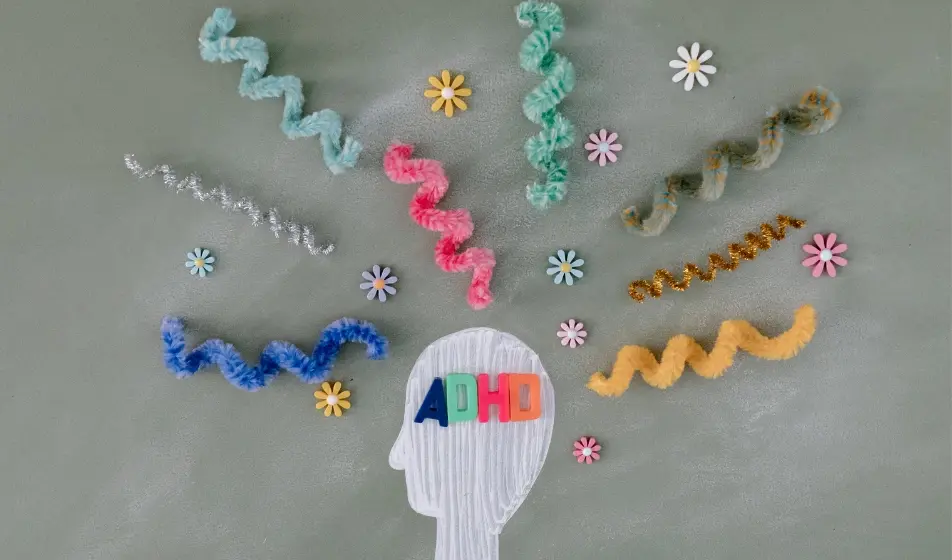
Neurodiversity recognises that everyone’s brain works a little differently – and that’s something to embrace. It includes conditions such as autism, ADHD (attention deficit hyperactivity disorder), dyslexia, dyspraxia and developmental co-ordination disorder. These can shape how people process information, communicate and interact with the world around them.
Neurodivergent people often bring fresh perspectives, unique strengths and creative ways of thinking – qualities that can drive innovation and support problem-solving in powerful ways.
For example, some autistic people may have exceptional attention to detail or strong pattern recognition skills. When you value these different ways of thinking, you build a workplace that’s more inclusive – and more innovative, too.
But without the right support, neurodivergent employees may face barriers at work. These challenges often stem from a lack of understanding – not ability. And when support is missing, it can limit someone’s chance to thrive.
The good news? Small, thoughtful changes – backed by an inclusive culture – can make a big difference. It’s not just about meeting legal requirements. It’s about creating a space where everyone feels seen, supported and able to do their best work.
You don’t need a diagnosis to take neurodivergent staff seriously
A common misconception is: “If there’s no formal diagnosis, I don’t have to treat it as a condition.”
In reality, that’s not a safe or supportive approach.
Donna explained that you can’t hide behind the absence of a letter from a clinician:
“Some of the clients say they’ve got no medical diagnosis of ADHD or autism or neurodiversity – and actually they don’t need to have a medical diagnosis of that medical condition.
They just need to identify as having that medical condition… if they identify as having that protected characteristic, you need to treat them as if they have it because they are protected.”
- Donna Obstfeld, Managing Director and HR Specialist, D O H R
She also pointed out that diagnosis waiting lists can be one to three years on the NHS, so many adults are undiagnosed for a long time.
So when someone says:
“I’m pretty sure I’ve got ADHD,” or
“I’m on the waiting list for an autism assessment,”
…that’s your cue to lean in, not shut the conversation down.
At the same time, Donna warned that mental health can sometimes be used to dodge any performance discussion:
“You also don’t want them to weaponise it. Unfortunately, more and more people are trying to weaponise their mental health.
What you’ve got to do as a line manager, as an employer, is to create an environment where everybody has mental health… that’s fine. But you’re still expected to perform.
We’ll support you, but you’ve still got to come to work, you’ve still got to engage, you’ve still got to perform.”
- Donna Obstfeld, Managing Director and HR Specialist, D O H R
So the aim is a both/and:
-
Take people’s declarations seriously, even without formal diagnosis.
-
Help them understand what the role still needs from them, alongside any support.
It’s important to create a workplace where neurodivergent people feel understood and supported – whether they have a formal diagnosis or not.
Each neurodivergent person may have unique needs, so providing personalised reasonable adjustments and collaborative support is essential. When people feel accepted for who they are, they’re far more likely to thrive.
Separate support from standards
Managers at the roundtable shared situations where they’d offered generous support – paid assessments, flexible hours, specialist equipment – yet performance still wasn’t where it needed to be.
Donna’s advice was to move away from a one-way “we’ll fix it” mindset and towards a genuine partnership:
“You need really a partnership between the line manager and the employee. We’ll do this for you, therefore what are you going to do for us? Are you performing at 100%? If not, why not? What can you do to increase your performance? What do you need from us to increase your performance? What does 100% look like in your business for that person, for that department, for that division?”
- Donna Obstfeld, Managing Director and HR Specialist, D O H R
She also reminded managers that support doesn’t always mean blowing the budget:
“It doesn’t always involve money – you don’t always have to throw money at it.”
- Donna Obstfeld, Managing Director and HR Specialist, D O H R
A simple framework for performance management where neurodiversity or wellbeing is in the mix:
-
Clarify what 100% looks like.
“In this role, 100% looks like: responding to all customer queries within X time, completing Y tasks per week, and keeping errors below Z.”
-
Ask where they are right now.
“Where do you feel you are against that at the moment?”
-
Explore what’s getting in the way.
“What’s making it hard to reach that level?”
“Is your ADHD/anxiety/etc. part of that picture? How?” -
Agree mutual actions.
“Here’s what we can do as a business…”
“What are you prepared to try or change?”
Discuss and record any workplace adjustments, including support for time management (such as visual tools or regular check-ins), in a health passport if needed.
Wendy encouraged managers to hold that line between empathy and standards:
“There is a process for any difficult conversations you need to have around disciplinary, grievances or performance. It's just making sure you've followed the correct processes, holding the proper meetings, giving employees enough time and ensuring it's fair.
It's about staying strong, trying to keep an open conversation, making sure you show you have empathy with them with regards to where they're at, but still staying clear, strong and consistent. It doesn’t mean you can’t let someone go. It simply means you need to handle it properly and professionally.”
- Wendy Read, HR Director, Omny Group
The headline: support and standards are not opposites. You need both.
Ask early, ask often
An example shared in the session described a familiar scenario: their organisation asked about support needs at recruitment, onboarding and beyond – yet a struggling employee only mentioned being on the ADHD pathway after a long performance process and just before termination.
Making your recruitment process inclusive from the start helps neurodivergent candidates feel more comfortable and supported. When there’s awareness around different needs, people are more likely to share what helps them succeed.
Donna shared a similar client story:
“I’ve had a client recently who, only when the employee was terminated, in their appeal letter did they say that they had ADHD. Our response to the client. Our response to the client was: you’re required to make reasonable adjustments, and if you don’t know that there’s a problem, then you can’t make a reasonable adjustment.”
- Donna Obstfeld, Managing Director and HR Specialist, D O H R
She went on:
“There’s a joint responsibility for health and safety – physical as well as psychological. There’s a joint responsibility on the employer and the employee to ensure that the workplace is safe… If the employee hasn’t taken their fair share of responsibility, that forms part of your defence if you were to end up in an employment tribunal.”
- Donna Obstfeld, Managing Director and HR Specialist, D O H R
And crucially, she suggested a practical route when new information appears late:
“You could uphold their appeal and give them three months – ‘Let’s spend the next three months supporting you, but you still have to perform.’ If you were to end up in a tribunal, you can show that you’ve been reasonable beyond reasonableness after the end of your normal process because actually more information came to light. You’ve acted on that. They’re still not performing.”
- Donna Obstfeld, Managing Director and HR Specialist, D O H R
For line managers, the takeaway is:
-
Normalise the question:
“Is there anything that would help you do your best work here?”
“Do you have any conditions or differences we should consider when we’re looking at workload or processes?”
“Are there any working preferences you have that would help you perform at your best?”
-
Repeat the offer over time, not just at interview or induction.
-
If something comes up late, pause, take advice, consider adjustments – and document that you’ve done so.
You can’t force disclosure, but you can show you’re open to it and that you’ll respond reasonably if it happens.

Handle “weaponised” mental health fairly
Both experts recognised a growing trend: employees mentioning mental health or neurodivergence only when formal performance or disciplinary processes begin – often at the ready with AI-generated letters or advice from friends and social media.
Wendy’s advice was to focus on the parts managers can control:
“The pressure always feels as if it’s on you as the line manager to give them guidance and advice.
You don’t want, ‘They’re telling me what to do, I can’t do it, let’s fight.’ You can’t win everything, unfortunately… it’s just about sticking to your structure, making sure that you’re fair, empathetic, and that you’ve tried fairly to resolve the problem.”- Wendy Read, HR Director, Omny Group
Senior leaders set the tone when it comes to supporting neurodivergent people – especially during challenging moments. When they lead with fairness and a commitment to inclusion, it sends a powerful message across the organisation.
So when mental health or neurodivergence is raised late in the day:
-
Stay in process. Follow your policy and keep records.
-
Acknowledge what they’ve shared and seek HR advice on reasonable next steps.
-
Balance empathy with boundaries. It’s okay to say: “We’ll support you – and this role still needs X, Y and Z.”
The goal isn’t to out-argue anyone; it’s to show that you’ve acted consistently, fairly and reasonably at each stage.
Practical phrases for your next conversation
When you’re having these conversations, clear and open communication is key. Some colleagues might find it harder to pick up on unwritten rules, social cues, or non-verbal cues – so it helps to be mindful, patient and kind in your approach.
To open the topic sensitively
-
“You’ve mentioned ADHD/anxiety a couple of times – would it be okay if we talked about how that’s affecting you at work?”
-
“I want to make sure we’re supporting you properly – can we explore what helps you do your best work?”
To connect support with standards
-
“We absolutely want to support your wellbeing – and I also need to make sure the role is being done at the level we’ve agreed.”
-
“Let’s be really clear about what ‘good’ looks like in this role, and then talk about what’s getting in the way.”
To explore adjustments
-
“What parts of your job feel hardest at the moment?”
-
“What’s helped you in previous roles or situations?”
-
“Are there any changes to how, when or where you work that would make a real difference?”
To re-anchor on performance
-
“We’ve agreed these adjustments. Let’s talk about what you’ll do differently over the next four weeks so we can see your performance move closer to 100%.”
-
“I’ll hold up my side – putting the support in place – and I need you to hold up yours.”
These phrases keep the tone calm, curious and collaborative – exactly what you need when wellbeing and performance overlap.
Flexible working options for neurodivergent employees
Flexible working is one of the most effective ways to support neurodivergent employees and build a genuinely inclusive workplace.
Traditional office environments can be challenging for some – with things like bright lights, background noise or strong smells making it harder to focus. But small adjustments, like offering remote working, flexible hours or longer break times, can make a big difference.
It starts with understanding. Take time to get to know how each person works best. For example, some autistic employees might find a quiet space or noise-cancelling headphones help them concentrate. Others might benefit from flexible hours that let them manage their energy levels throughout the day.
By offering choice and staying open to individual needs, you’re showing your team that inclusion isn’t just a policy – it’s something you put into practice. And when people feel supported, they’re far more likely to do their best work.

Building awareness: fostering understanding and inclusion
Creating an inclusive workplace starts with awareness – and that means helping everyone understand what neurodiversity looks like in everyday working life.
Workshops, team sessions and open conversations can all help break down common misconceptions. Whether it’s a lunch-and-learn or a chat over coffee, giving your team space to learn, ask questions and listen can shift attitudes and build empathy.
When neurodivergent colleagues feel safe to share their experiences – and know those stories will be heard – it helps build stronger connections across the team. This isn’t about ticking boxes. It’s about making sure every voice matters.
To truly support every employee, it’s worth taking a step back to review how neuroinclusive your organisation really is. Simple, accessible resources – like clear guides, peer support groups or even a neurodiversity champion – can help embed inclusion into your culture.
When people see that inclusion is backed by action, they’re more likely to feel safe, supported and able to be themselves. And when awareness becomes part of everyday working life, you create a culture where everyone has the chance to thrive.
Supporting career development for neurodivergent team members
Supporting neurodivergent employees in their careers is a vital part of building an inclusive workplace where everyone can grow.
That means offering development opportunities – like training, mentoring or coaching – in ways that are accessible and tailored to individual needs. It’s also worth reviewing your hiring practices. Clear job descriptions, straightforward instructions and written guidance can help candidates feel confident from the start.
Once someone’s in the role, ongoing support is just as important. Regular check-ins, open conversations about progression, and a clear understanding of what’s possible can help neurodivergent team members feel valued and supported to develop.
When you invest in every employee’s growth – and back that up with a culture of inclusion – you’re not only helping individuals thrive, you’re building a stronger, more resilient organisation. It’s a long-term commitment that benefits everyone.
Employee wellbeing: supporting neurodivergent staff holistically
Supporting the wellbeing of neurodivergent employees is a key part of building an inclusive workplace. Conditions like autism, ADHD and other developmental differences can bring unique challenges – and recognising those differences is the first step towards meaningful support.
Small, thoughtful adjustments can have a big impact. Flexible working hours, quiet spaces, noise-cancelling headphones or written instructions can all help reduce stress and improve focus. Clear communication and consistency are just as important – helping everyone manage their time and tasks with confidence.
But inclusion isn’t just about the environment. It’s about culture, too.
Raising awareness through training, workshops or informal team discussions helps build real understanding and empathy. When neurodivergent colleagues feel safe to share their experiences, it opens the door to more honest conversations – and a more connected team. This kind of culture makes it easier for people to speak up about what they need to do their best work.

Holistic support means looking beyond adjustments. Regular check-ins with managers, access to mental health resources and opportunities to grow all contribute to stronger wellbeing. It also means making sure neurodivergent employees are included in career development plans – so everyone has a chance to progress.
It’s worth taking time to review your hiring processes too. Accessible job descriptions, inclusive language and a welcoming approach help neurodivergent candidates feel confident from the start.
And leadership matters. When senior leaders champion inclusion and show commitment to neurodiversity, it sets the tone across the whole organisation.
By prioritising neurodivergent wellbeing, you’re creating a workplace where all employees feel valued – and where different ways of thinking are seen as strengths. It’s good for your people, good for your culture, and good for business.
Why neuroinclusion matters
Embracing neurodiversity brings real benefits to your organisation. Neurodivergent people often bring fresh perspectives – from creative problem-solving to deep focus and attention to detail. These strengths can help drive innovation and build stronger, more well-rounded teams.
When you create an inclusive environment and offer the right support, you’re not just helping neurodivergent employees succeed – you’re improving wellbeing across your whole team. Everyone benefits when people feel valued, understood and supported to do their best work.
Recent research into neurodivergent perspectives in UK workplaces found that almost two-thirds of neurodivergent respondents feel they are not well supported at work, and that this lack of support can lead to stress, anxiety, burnout, low confidence and poor mental health.
Taking steps now to build a neuroinclusive culture helps reduce those risks – and shows your team that inclusion is more than words. It’s something you put into action.
By supporting neurodiverse talent, you’re helping to shape a workplace where individuality is valued, and everyone has the chance to grow.
How Breathe can help line managers support – and challenge – well
Having the right conversation is one half of the equation. Being able to evidence what you’ve done is the other.
For HR and line managers, Breathe gives you a single place to:
-
Store up-to-date job descriptions so “100% performance” is clearly defined for each role.
-
Record 1:1 conversations, performance reviews and follow-up actions.
-
Log any reasonable adjustments agreed and when you’ll review them.
-
Track absence, patterns of behaviour and engagement over time – so you spot issues earlier, not just at crisis point.
Used well, your HR system becomes the backbone of fair and consistent people management – not just another admin tool. It can also play a key role in building a more neuroinclusive workplace by supporting inclusive policies, raising awareness and enabling practical adjustments for neurodivergent employees.
By using your system to implement clear policies, deliver training and encourage understanding, you’re showing your organisation’s real commitment to inclusion – not just in principle, but in practice.
Supporting neurodivergent or struggling employees doesn’t mean lowering expectations. It means setting clear standards, offering the right support to meet them – and being prepared to have honest conversations if the role still isn’t the right fit.
FAQs: Neurodivergent employees at work
Q: How can line managers best support neurodivergent team members?
A: Line managers can create the right support for neurodivergent employees by having open, non-judgemental conversations, asking what helps them do their best work, and agreeing practical adjustments such as clearer written instructions, different communication methods or changes to working patterns. Defining what “good” performance looks like, and reviewing progress regularly, helps keep things fair and transparent.
Q: Do employees need an official diagnosis to get support at work?
A: Not necessarily. Many people are undiagnosed or waiting for assessment. What matters is the impact on their day-to-day work. If an employee talks about a long-term physical or mental health condition that significantly affects them, take it seriously, explore what might help and get HR advice on reasonable adjustments – rather than waiting for a letter from a clinician.
Q: What reasonable adjustments can employers make for ADHD or autism at work?
A: Reasonable adjustments for ADHD or autism at work might include flexible start times, quieter workspaces, noise-cancelling headphones, written follow-ups to verbal instructions, breaking tasks into smaller steps, using project tools to visualise workload, or allowing movement breaks.
Adjustments for sensory processing, such as reducing strong smells in the workplace, can also help create a more comfortable environment. The right adjustments depend on the individual and their role, and should be agreed together, then recorded and reviewed regularly.
Q: How can employers support career progression for neurodivergent employees?
A: Employers should ensure that neurodivergent employees have equal access to development opportunities and that senior staff are aware of and support the progression of neurodivergent team members, challenging assumptions about what a leader should look like.
.webp)
 Health and wellbeing