Employee Performance Management Software

Take the stress out of appraisals, nurture your team's growth, celebrate achievements and cut down on admin with performance review software.
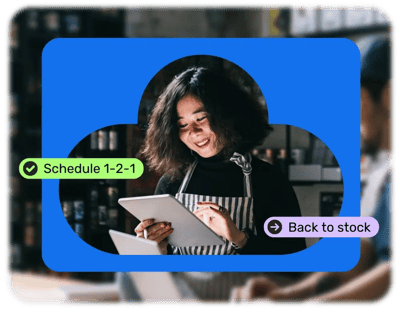
Lady on ipad in winery

Loved by 17,000+ UK SMEs

Wrexham FC RSPCA Scrub Daddy West Sussex Mind Royal Philharmonic Orchestra Brixton Brewery Ecologi Dryrobe Sussex Wildlife Trust
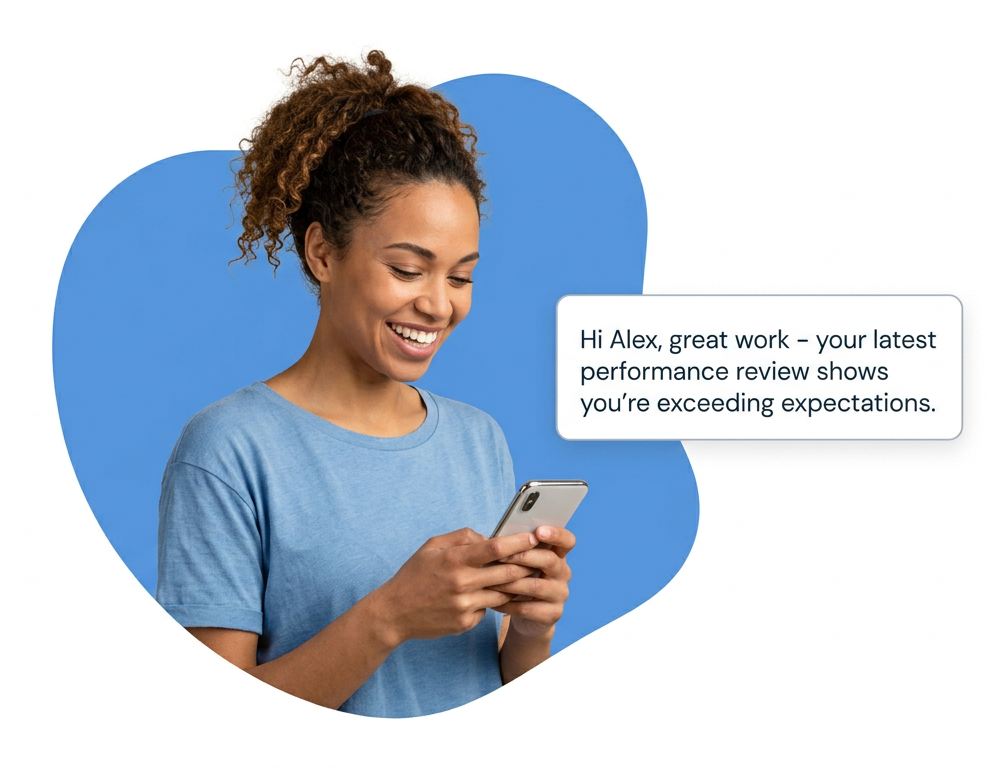
smiling_woman_chat_notification_d0c1df0daff740b892c4f91da5f7f634-1

What is a performance management system?

A performance management system is a tool that helps you track, measure, and improve employee performance in a consistent way. It brings together processes and technology so everyone in the organisation is working towards the same business objectives.

What does a performance management system do?

A good performance management system gives managers and employees a clear framework to:

  • Set expectations and goals
  • Agree performance measures
  • Hold regular reviews and appraisals
  • Share constructive, two-way feedback

When it’s used consistently, it boosts productivity, supports development, and keeps people engaged.

People first

Breathe’s powerful performance management tool helps you recognise and reward your people for their hard work.

You can easily track employee performance, arrange one-to-ones, manage annual appraisal meetings and set goals or targets for staff to strive for.

Your complete toolkit for better performance.

Give managers and employees simple, powerful tools to set goals, share feedback, and run reviews – without the complexity or cost of enterprise HR software.

Turn one-off reviews into continuous performance conversations.

Create structured check-ins that keep everyone aligned, not just at annual review time.
Schedule regular one-to-ones, capture agreed actions, and keep a clear history of every conversation in one place. 
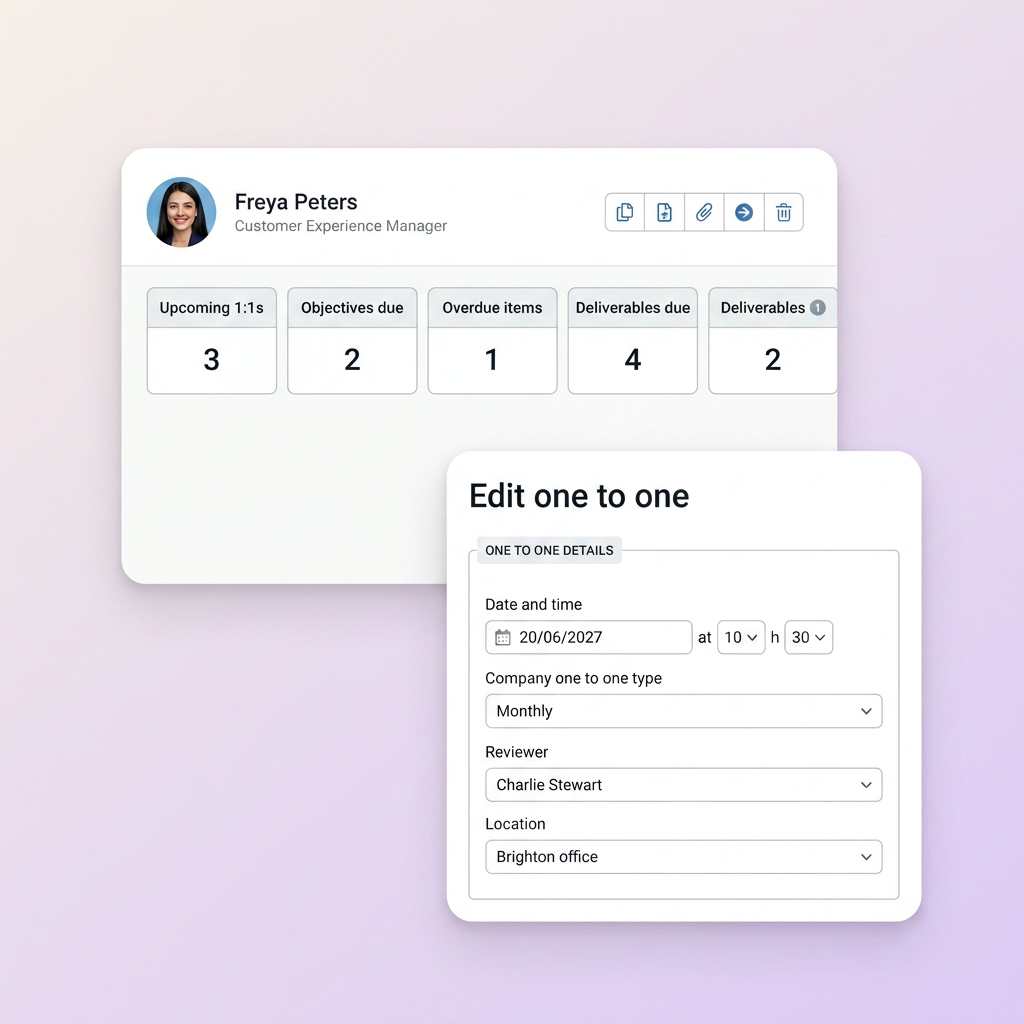
cream_lavender_gradient_ui_6f988ef42a484f6c843813b07360f9c7

Build clear goals into a shared growth plan.

Set individual and team objectives that link directly to your business priorities.
Track progress in real time, so managers and employees always know what’s on track, what’s slipping, and where to focus next. 
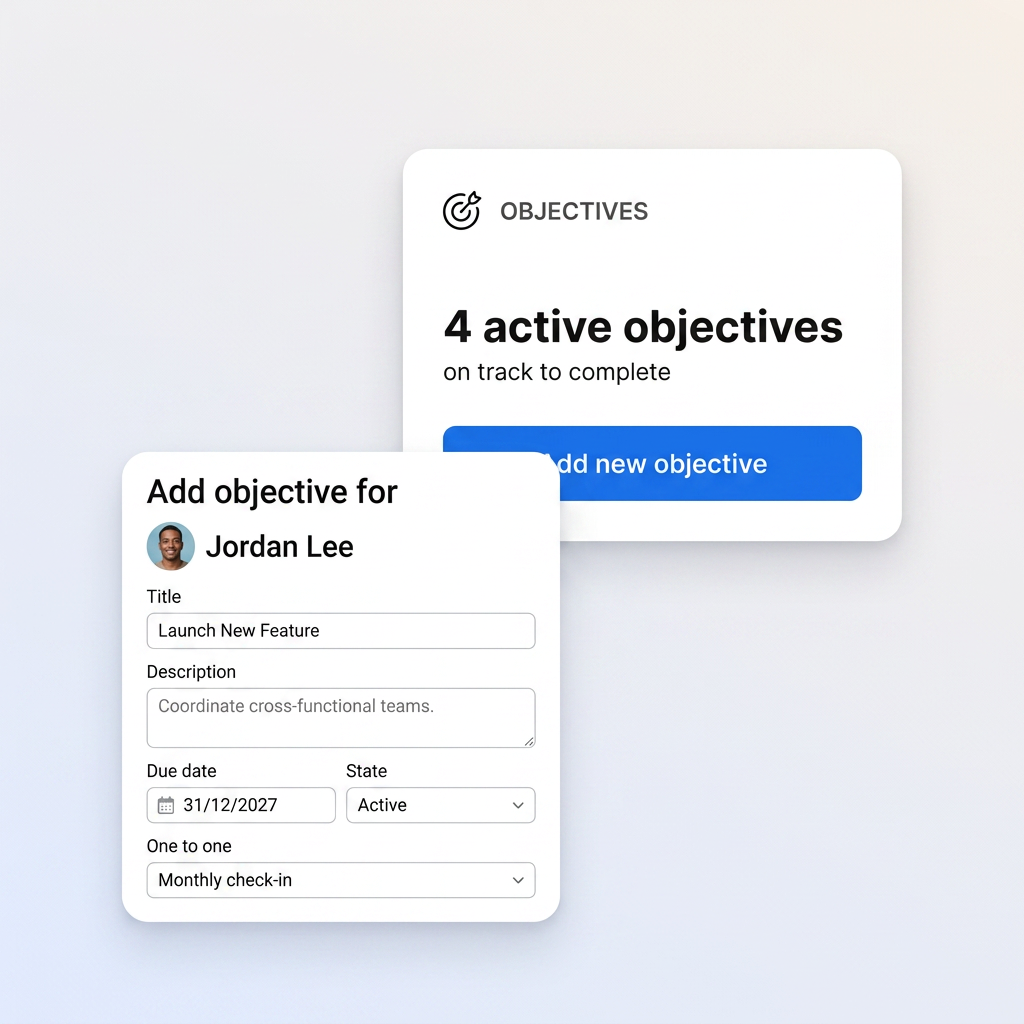
objectives_landing_page_ui_7eaafe0fa5124f1a94c72649c33f10bb

Give feedback that’s timely, fair, and transparent.

Capture feedback from managers and employees in a way that feels natural and consistent.
Use simple templates and prompts to guide better conversations, reduce bias, and make every review feel constructive. 

Untitled design (17)-3
cream_lavender_gradient_ui_6f988ef42a484f6c843813b07360f9c7
objectives_landing_page_ui_7eaafe0fa5124f1a94c72649c33f10bb
Untitled design (17)-3

Our survey says...

 In our 2025 customer survey, we asked Breathe users how our software supports their day-to-day HR. Their answers show the real impact Breathe is having on teams like yours. 

0%

"The Breathe platform is intuitive, easy to use, and requires minimal training for my team."

0%

"Breathe’s security and data protection standards give us confidence in handling sensitive employee information."

0%

"Whenever we need support, Breathe’s support team is responsive, helpful, and resolves issues quickly."

Breathe makes HR admin a breeze

With 40+ features and growing, Breathe makes HR admin easy for businesses with up to 250 people.

What great performance management looks like in practice

Effective performance management is much more than an annual form to fill in. Done well, it’s a clear, continuous process that supports employee development and drives business results. It gives people a shared understanding of what good looks like, how progress will be measured, and what support is available along the way. For managers, it creates a simple framework for having the right conversations at the right time – rather than saving everything up for one uncomfortable meeting at the end of the year.

  • A typical performance cycle starts with planning and goal setting. Managers and employees work together to agree SMART goals that are specific, measurable, achievable, relevant and time-bound. Crucially, those goals are linked to wider company priorities, so people can see how their day-to-day work contributes to the bigger picture. When expectations are clear from the outset, it’s much easier for everyone to stay focused, motivated and aligned.

  • From there, the emphasis shifts to monitoring and regular check-ins. Rather than setting goals and walking away, managers keep up a cadence of conversations – weekly, fortnightly or monthly – to review progress, offer guidance and remove blockers. These touchpoints create space to support underperformers early and keep high performers engaged, without slipping into micromanagement. They also make room to adjust goals when priorities change, so objectives stay realistic and relevant throughout the year.

  • Formal reviews and evaluations then provide deeper reflection points. Structured one-to-ones give managers and team members time to look at achievements, discuss areas for improvement and map out future development opportunities. Modern systems make this richer by combining manager assessments with employee self-reviews and 360-degree feedback, giving a fuller, fairer view of performance. When these reviews are grounded in the check-ins that have happened all year, there are no surprises – just a clear story of progress.

The final part of the cycle is recognition and rewards. That might mean a salary increase, promotion, stretch project or simply visible praise and thanks. What matters is that recognition is transparent and tied back to the goals and measures agreed at the start. When people can see the link between their efforts and the outcomes they receive, it reinforces the behaviours you want to encourage across the organisation and helps to build a culture of trust and fairness.

Underpinning all of this are a few essentials. Continuous feedback keeps the conversation flowing between formal reviews, so coaching and recognition happen in the moment, not months later. Clear goal alignment and transparency show employees how their objectives connect to team and company targets, which is a powerful driver of engagement. Structured development planning identifies skill gaps, points people towards learning opportunities and helps shape realistic career paths that work for both the individual and the business.

Finally, data-driven insights bring the whole picture together. A modern performance management system pulls information from goals, check-ins, reviews and feedback into simple dashboards and reports. That makes it easier for leaders to spot trends, make fairer decisions around pay and progression, and invest in the right areas of training or support. Over time, this creates a continuous loop: set clear goals, support people with regular conversations, review and recognise fairly, learn from the data, then start the cycle again with even better insight.

Frequently asked questions

  • What is the purpose of a performance review?

  • What are the benefits of effective performance management?

  • What types of businesses use employee performance management software?

  • What are the benefits of tracking employee performance?

  • How can performance management software enhance team collaboration?

  • How much does performance management software cost?

  • How secure is my data with Breathe?

  • What do I need to know now?

Join over 17,000 SMEs that choose Breathe as their #1 HR software provider

Group 29 Group 29 (1)