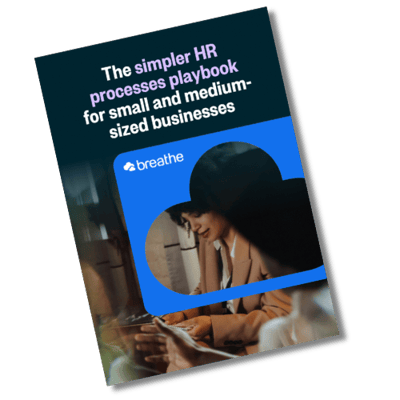
Small and medium-sized businesses are being asked to manage more across HR, without necessarily having the extra time or people to do it. Simpler HR processes can make that growing workload much easier to handle, freeing up time for strategic initiatives and meeting business goals.
But knowing exactly what needs to change to make HR feel simpler - and where to start - can be difficult, especially when you’re busy managing day-to-day priorities.
In this free small business HR guide, we look at where unnecessary HR work can build up and the simple, practical improvements that can make your HR processes easier for everyone involved.
Whether you use software, spreadsheets, emails or paper, this guide is a starting point to make HR for small businesses simpler.
Who’s this guide for?
This practical guide to HR for small and medium businesses is designed for:
- HR managers and people professionals who want to spend less time on repeat admin and make everyday HR processes easier to manage
- Business owners and directors who look after their people alongside other responsibilities
- Office and operations managers who handle HR processes without a dedicated HR team
-1.webp)
What’s inside the guide?
HR processes are linked to many of the ways your employees and managers connect with your business every day. But when those processes involve unnecessary steps or repeated admin, even straightforward tasks can take more time than they should.
The playbook takes you through eight key HR processes and shows you where you can make things simpler:
-
Recruitment, onboarding and off-boarding: Create a smoother experience for people joining or leaving your business, with less paperwork and chasing behind the scenes.
-
Everyday employee support: Give employees easier access to routine information and a clear path to personal support when they need it.
-
Rotas and scheduling: Make availability and rota changes easier to manage, while keeping working-time information accurate.
-
Employee training: Keep track of training requirements, completion and follow-up without creating unnecessary admin.
-
Performance and development: Build a performance management process that gives managers and employees a more active role in regular conversations.
-
Expenses and payroll: Make it easier for accurate, approved information to reach payroll when it needs to.
-
Reporting and people insights: Focus your reporting on the employee information your small business can genuinely use.
-
Health and safety: Create clearer processes for reporting issues, assigning actions and keeping important records up to date.
You’ll also get practical review questions and checklists to help you decide which HR processes to improve first and how to make a start, whether you have HR software in place or are still working manually.
Why read this guide now?
With even more employment law changes happening from 1 January 2027, it's important to make sure your business is prepared before the new year begins. Clear, simple HR processes are more likely to be followed consistently and make it easier to put new requirements into practice. This guide will help you make a start so you can avoid missed steps, legal issues and un-necessary costs.
This guide also helps you spot where you can start to simplify routine HR tasks in your business today, freeing up capacity to focus on the people initiatives that will support business growth in 2027- from improving employee benefits and employee engagement, to strengthening employee retention and securing top talent.
Frequently asked questions
-
Is the guide free to download?
Yes. The playbook is 100% free to download. Complete the form on this page to get your copy, which includes practical guidance covering eight everyday HR processes and checklists to help you decide which improvements to tackle now and which can wait.
-
What counts as a small business?
For this guide, we use 'small business' or 'small to medium business' to mean an organisation with up to 150 employees. Businesses of this size can vary widely, but all need practical, straightforward ways to manage HR as their people and responsibilities grow.
-
Is this guide suitable for both small business owners and HR professionals?
Yes. This guide is designed for small business owners, HR professionals and anyone who has been handed responsibility for HR alongside their other work. It provides a practical way to review everyday HR processes, identify where work is building up and decide what to simplify first - whether you have a small team, manage HR yourself or are still finding your feet.
-
What are HR processes?
HR processes are the repeatable ways your business handles people-related tasks. They cover the employee journey from recruitment and onboarding through to off-boarding, alongside ongoing responsibilities such as pay, performance, training and employee support. Agreed processes help your managers and employees to know what happens next and who’s responsible.
-
What is the performance management process?
Performance management in business is the process of assessing employee performance, helping workers discuss their progress and identifying how to develop further at work. Regular check-ins and feedback give managers and employees opportunities to talk about performance and employee development throughout the year, while formal reviews can still play a part, supported by a record of previous conversations and agreed actions.
-
What HR tasks and processes does a small or medium business need?
The human resource processes you need depend on your business and workforce. Most employers will need ways to manage recruitment, employee records, leave, pay, performance, training, health and safety, and what happens when employees leave the business. Some of these processes will also help you meet specific legal responsibilities as an employer.
-
How can a small or medium business improve its HR processes?
Review one process at a time and pay attention to where work builds up. You may be entering the same information more than once, for example, or chasing people for updates too much. Fix the parts causing problems first and give each task a clear owner.
-
How can simpler HR processes help with employment law changes?
Simpler HR processes can make it easier to understand what needs to change and put new requirements into practice consistently. Clear steps, responsibilities and records can help reduce missed actions, legal risks and avoidable costs, while freeing up more time to focus on wider people initiatives.
-
When should a small or medium business consider using HR software?
It might be worth considering HR software if routine admin is starting to take up too much time or your existing setup becomes difficult to maintain. Technology can take repetitive tasks off your hands, like sending out reminders or using data from your HR records to support your payroll processing, for example.
-
When should a business consider HR support or outsourced HR?
It may be time to look for extra HR support or consider HR outsourcing services when people-related tasks are taking up too much time, essential processes are difficult to keep on top of, or you need specialist advice. Reviewing your HR processes first can help you understand where the biggest gaps are and whether you need ongoing HR support, help with a specific area like employee conduct, or you just need a simpler way to manage things in-house.
If you do need HR support or external HR services, Breathe partners with a trusted network of HR consultants who can help you out. You can get in touch with any of our partners from our directory here.
Join over 17,000 SMEs that choose Breathe as their #1 HR software provider

.webp?width=564&height=513&name=Group%2029%20(1).webp)